
Recent Comments
ErnieM on gewoehnlich, offensichtlich, W… Gerard Walker on gewoehnlich, offensichtlich, W… ErnieM on Think-sudden-connect. Everythi… ErnieM on Think-sudden-connect. Everythi… Livy on Think-sudden-connect. Everythi… neoideograms
Ideograms for English. Creatively making English graphic.
-
Ids are irrational
Posted in Uncategorized
Leave a comment
DEKIRU KAGIRI
I will be surprised if anyone reads this!
Here is an EXCELLENT site with a page on “kagiri”
Posted in Uncategorized
Leave a comment
tattoo ideas 1
from https://www.youtube.com/watch?v=ZJQjjBR6PbY
Someone expressed interest in id tattoos, so as an exercise I’ve transcribed the first 24 on the above site. Will do more later. My transcriptions leave plenty of room for artistic and ideographic improvement. I’ll be glad to explain and offer alternatives.
Posted in Uncategorized
Leave a comment
think thin/ low carb-high fat tattoo ideas for dieters

To help remind me. Just did it with a sharpie pen.
top left, think; bottom left, thin; right 3 dots standing for only 3 meals a day

Posted in Uncategorized
Leave a comment
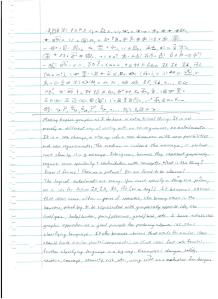
from Science and Sanity
yet another transcription. It shows the present state of my ever-progressing work, anyway. My trend is to move away from etymids; it always feels freeing to do so. Take “challenge” in this passage tho. It is from French “chaleur”-heat, and it is convenient to evoke the “chal” to show which English word I mean. If this etymological element is done away with, why have the word “challenge” at all? If translinguified, or panlinguified, ids would have to discard such language-specific connections.
Posted in Uncategorized
Leave a comment
jerk in Switzerland
Posted in Uncategorized
Leave a comment
video 1
https://drive.google.com/open?id=1nFy2oNXlgBzaIl46m9gLIwFnAVyTfEc0
This test video turned out ok, so I’ll go ahead and make a lot more–many explanatory videos–soon.
Posted in Uncategorized
Leave a comment
ALIENS: “WE ARE INTERESTED IN THE CONCEPT OF RESCUE”
Just something weird I noticed in a little abduction video. I have fun!
SHORT DIARY ENTRY, LONG NOTES
Reaching out to the woo-woo community!
The videos mentioned are https://www.youtube.com/watch?time_continue=19&v=kF49mUmaVh0
and
Posted in Uncategorized
Leave a comment
shelter, climb
typical trivial ids that display some of the flavor of what I do
Posted in Uncategorized
Leave a comment


 Neo Ideograms