


It was easy to transcribe this French into ids, and fun because some adjustments and a little creativity were required for French meanings. I’m not really competent to make some of the judgements involved, since I don’t know french well at all. My aim is just to show that ids for French is easily doable.
As I often do, I’ll say that I’ll provide detailed notes for anyone interested–just write to me. If no one is interested it makes no sense for me to spend the time and effort.
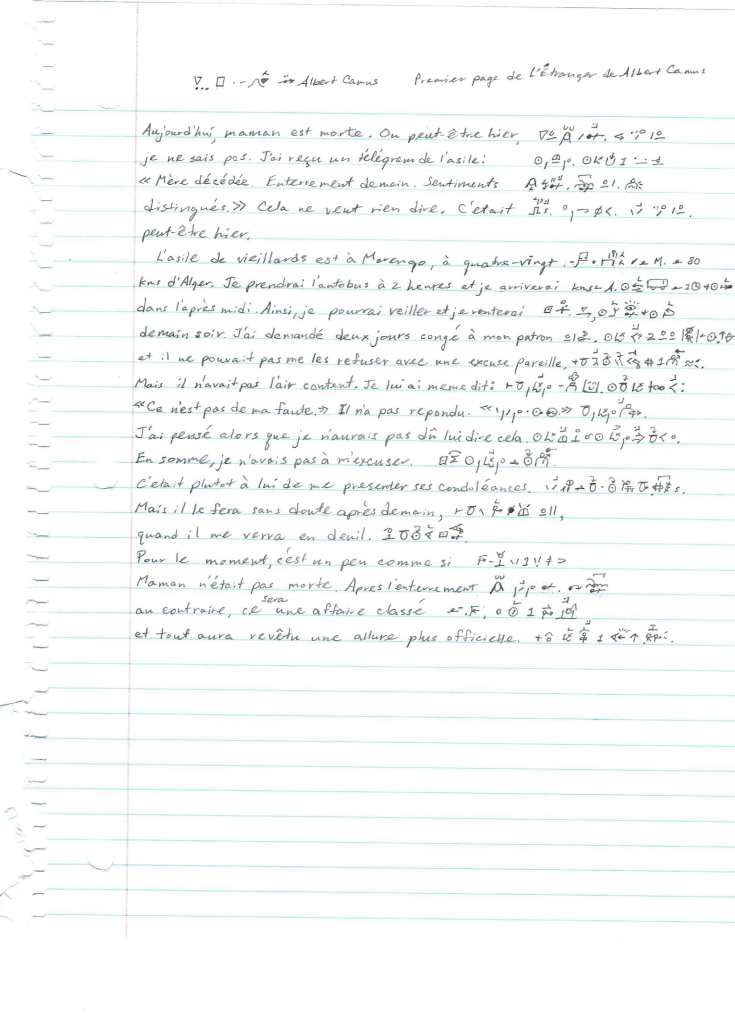
I’m concentrating on french some, since I’ll be going to France soon and want to have some content here for French people. In addition to this post, I’ll start a french page above.

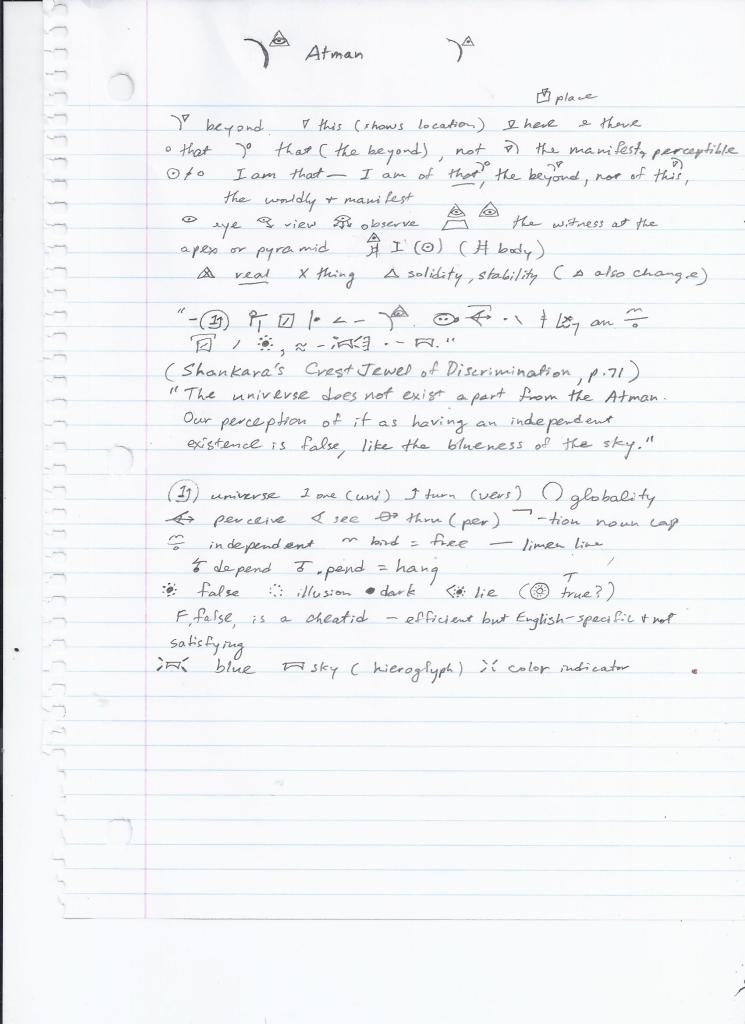
A quote from Shankara’s Crest Jewel of Discrimination. Someone asked me once if I could make ideograms for abstract ideas. I thought it was a funny question. Is the pope catholic? Yes, I represent abstract ideas with these visual concepts better than can be done with ordinary linguistic conceptualization.
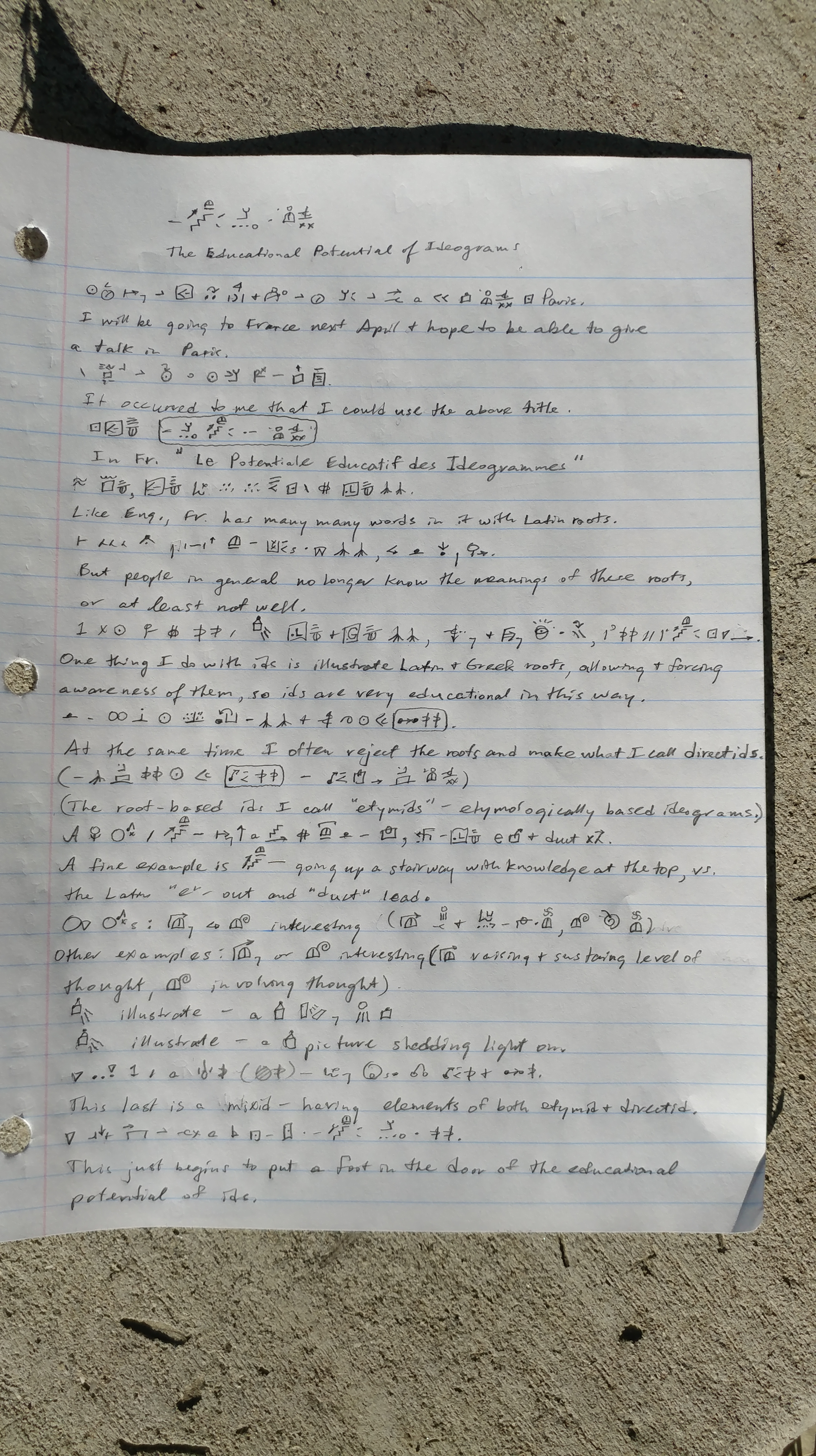
I’ll be going to France in April and hope to be able give some id presentations there. So, I’ve been working on French for use in my trip, and have made quite a few new ids in the process. I have also used ids to help remember vocabulary, for example combining “eye” with “arm” to remember the fr. “larme”–a tear. I don’t plan to put any time or effort into making ids for fr. myself, but show with the below that it is doable. It’s something that should be left to actual fr. speakers. I would love to consult with and help anyone who might be interested in giving it a try.
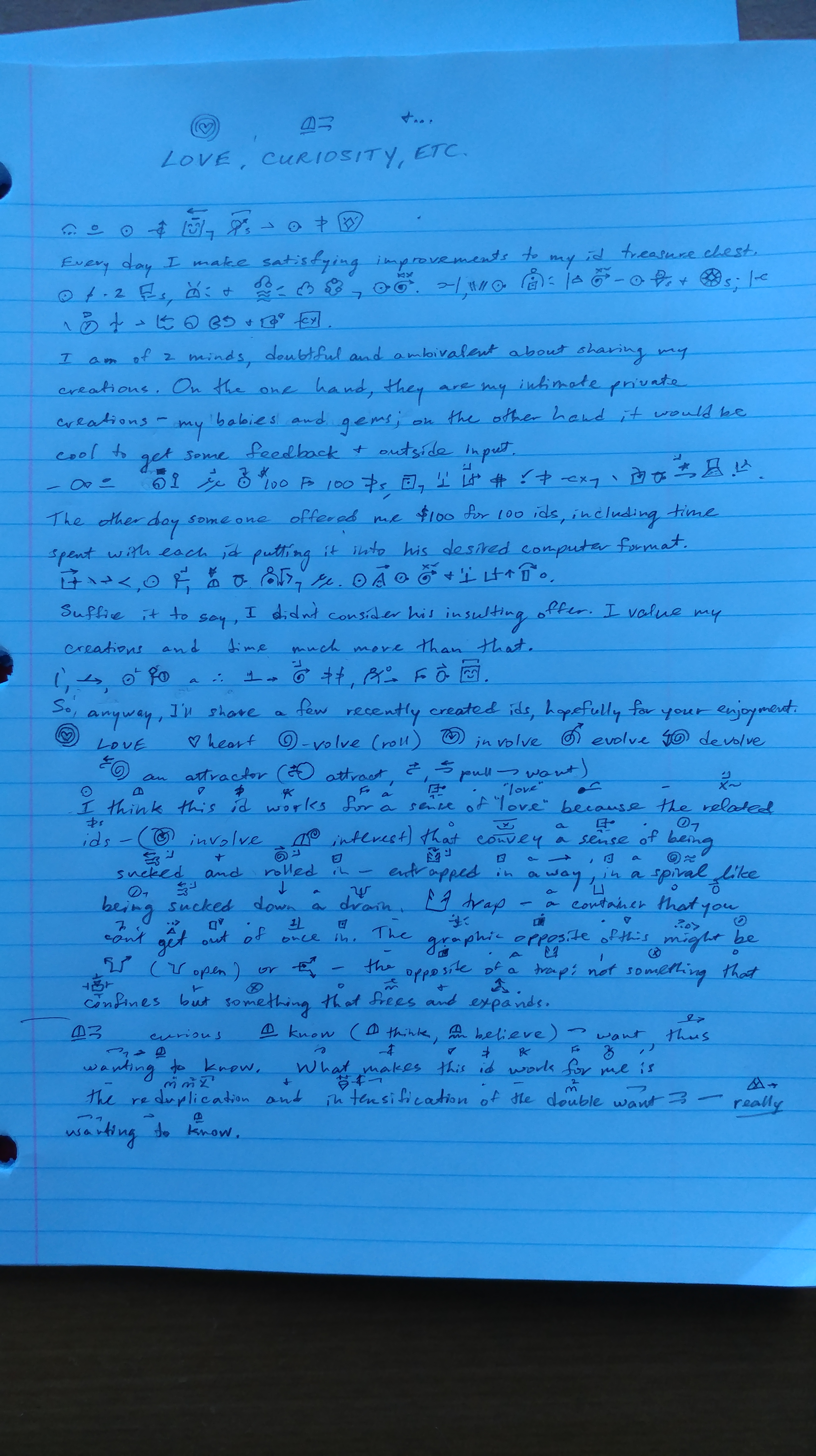
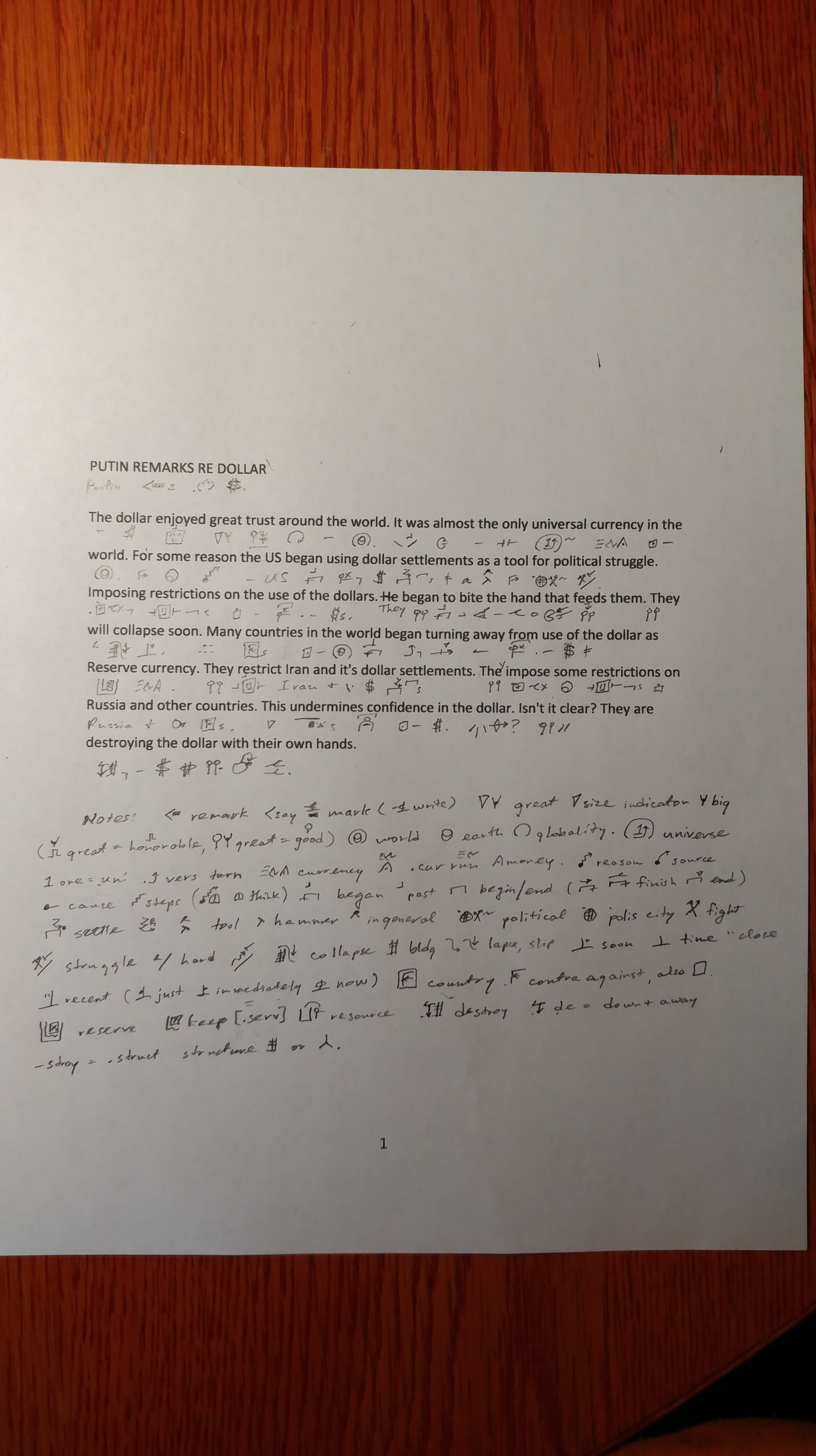
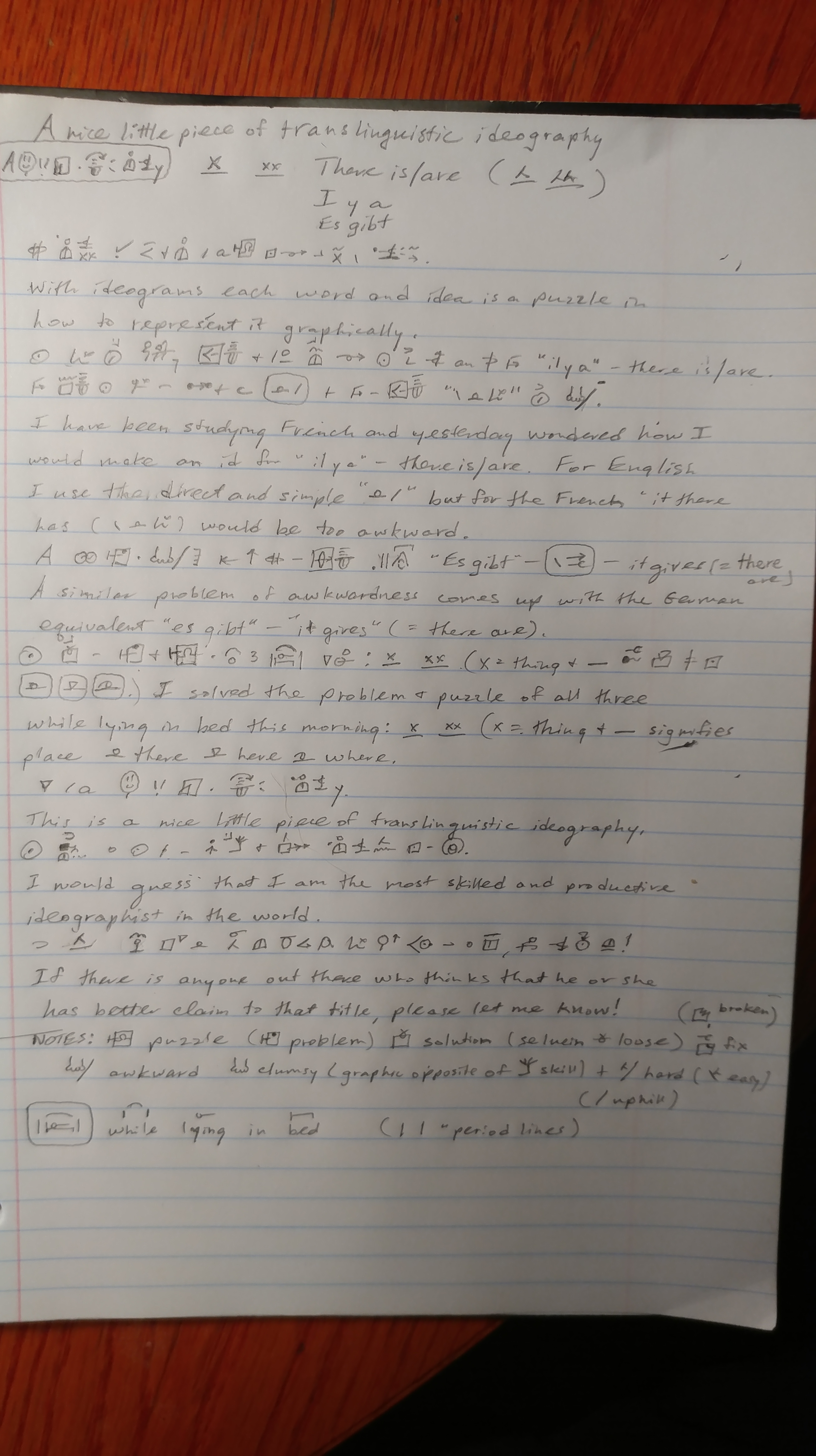
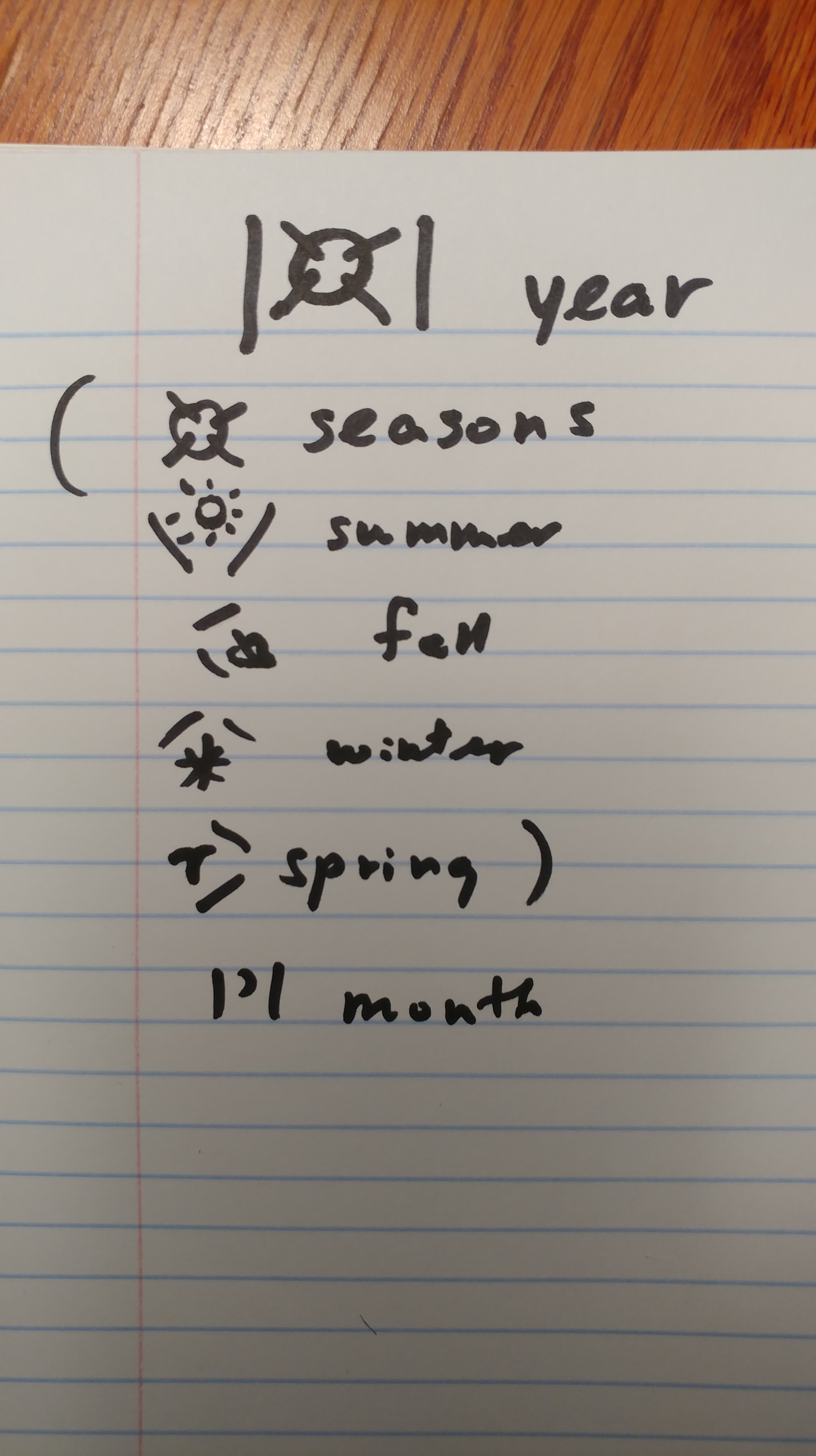
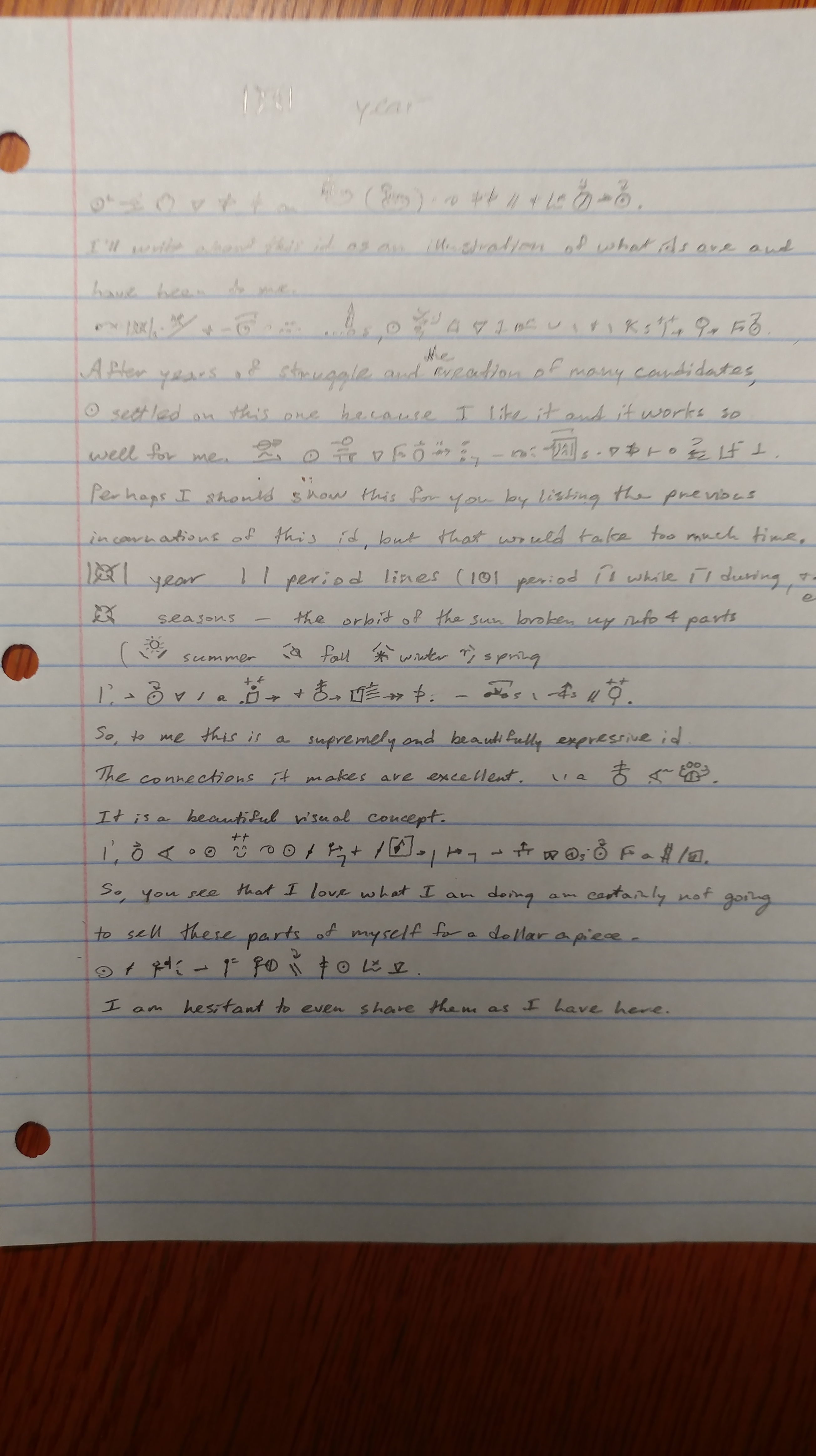
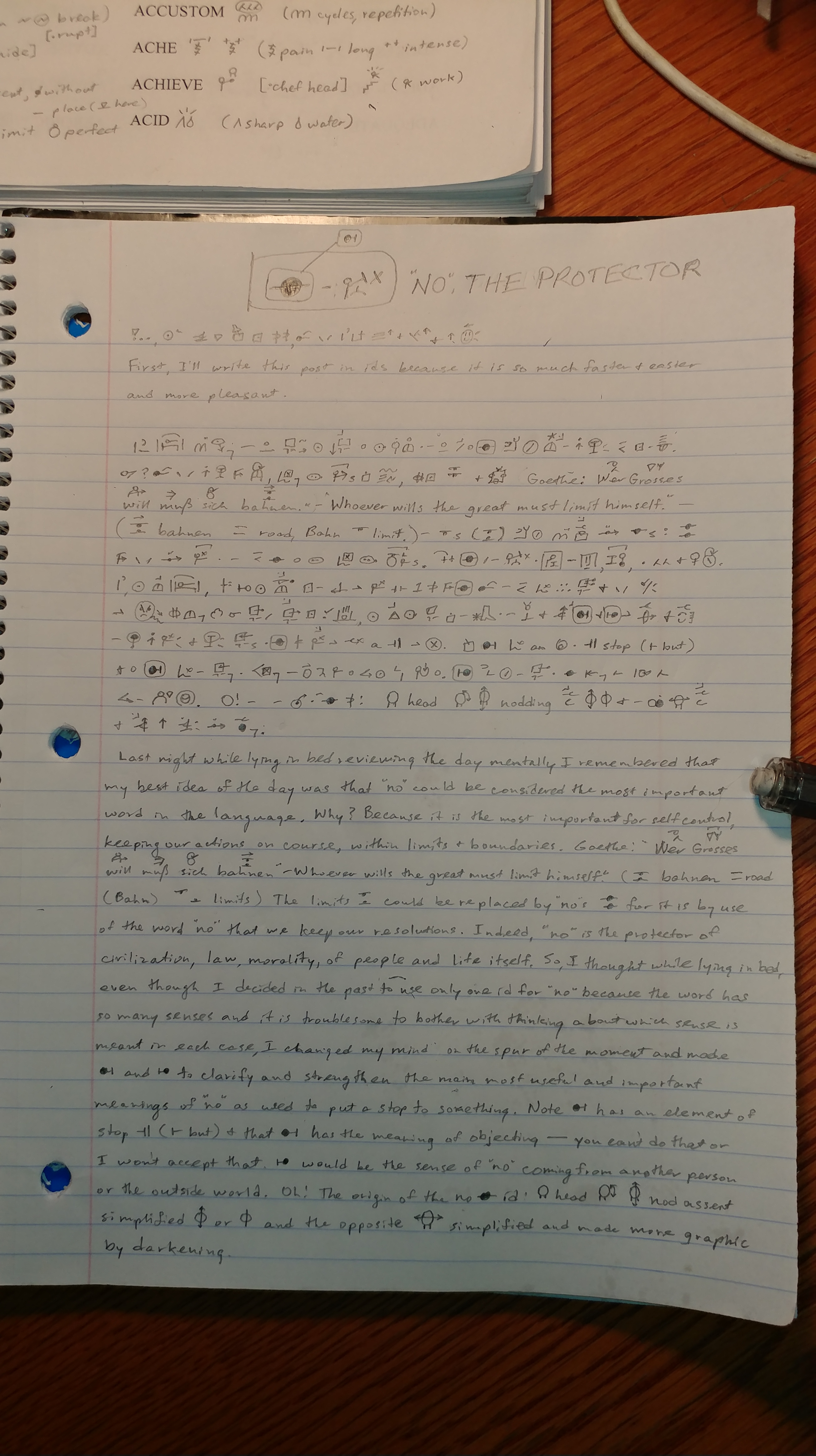
Ideograms offer a means to wake up semantically. By “ideograms” I mean here of course rational ideograms that make sense — that are well connected to reality and accurately representative of semantic experience, thereby catalyzing understanding and the production of new better ideas.
Ideograms, as an effective means of confronting ideas, offer the perspective and purchase (traction) necessary to make progress at improving language.
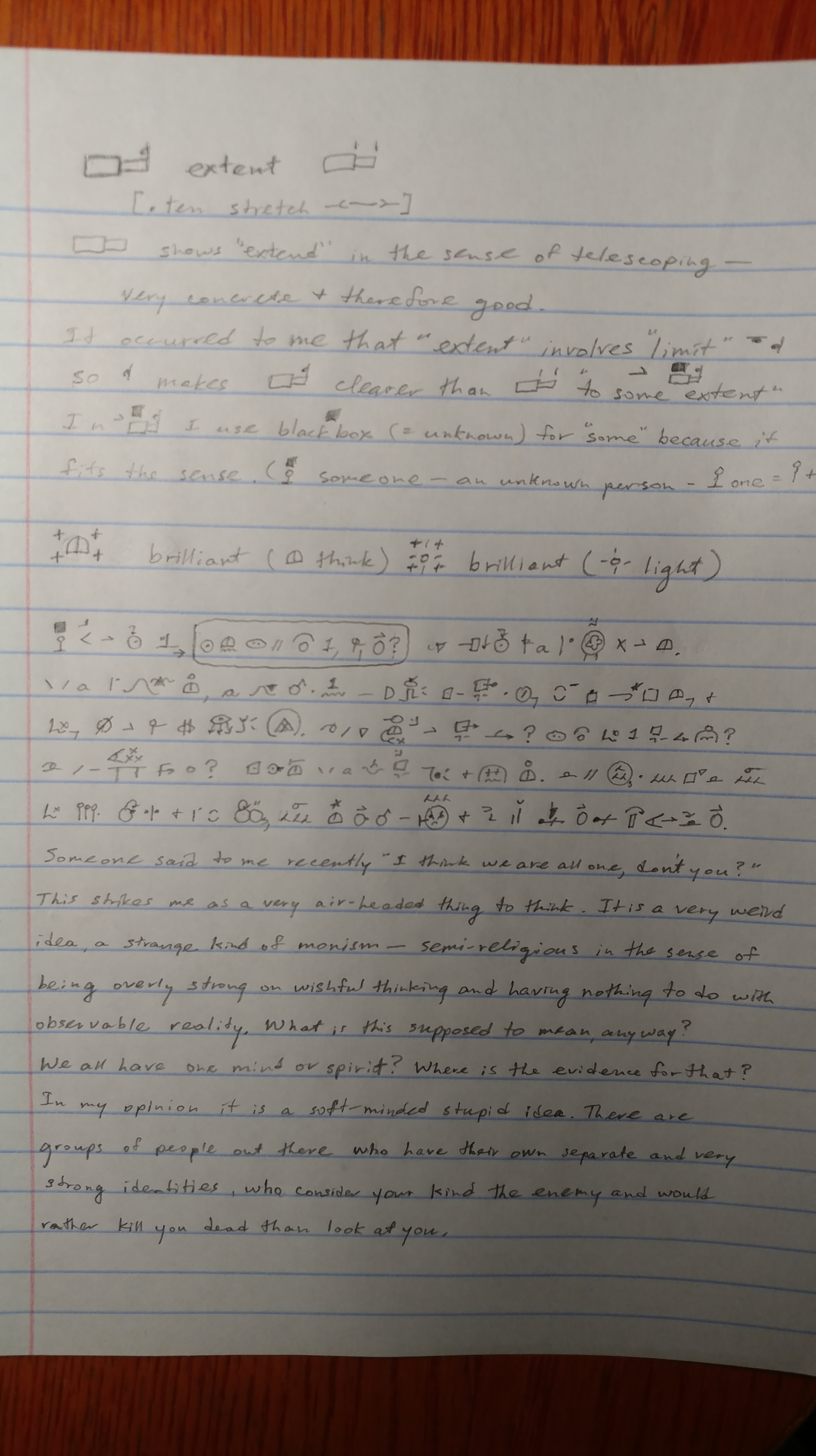
I was going to provide some notes, but right out of space. As usual my very generous offer to provide notes to anyone who writes and asks stands.
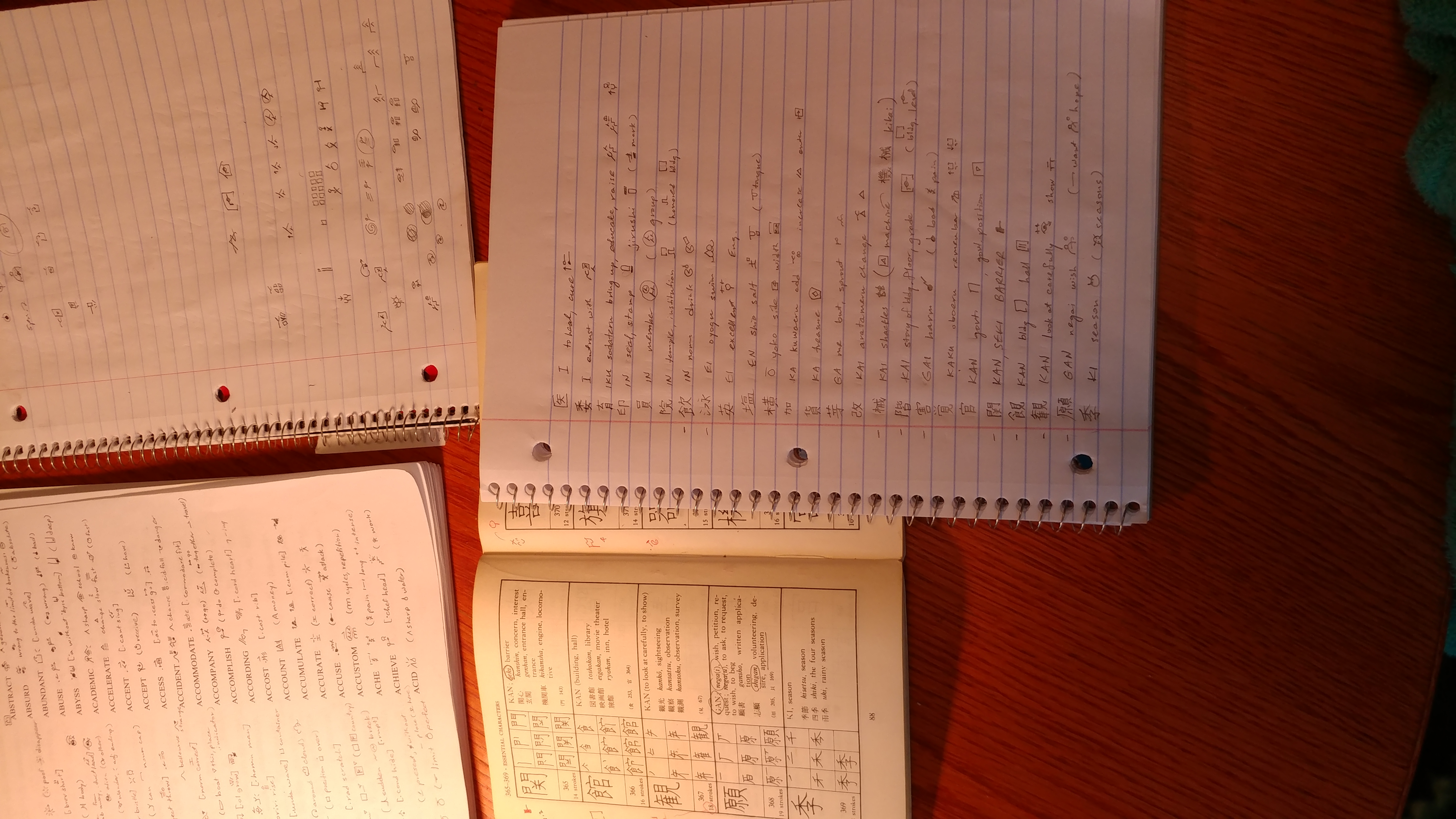
14 Strokes for nose in kanji versus 1 in ids. 14 vs 4 for work, 11 vs 2 for stop–typical savings! Plus ids are devoid of the annoying NONSENSE of kanji– like including the kanji for bean in climb.
Devising ideograms for Japanese kanji is more challenging than I thought it would be because a single kanji can have a multitude of very disparate meanings. Like English, Japanese is a mess– and agglomeration of historical accident and debris, like trash that has accumulated in the bend of a stream, and kanji intensely so. Not only will future writing and ideation be ideographic– icon based, as Timothy Leary prophesied– but languages will be more synthetic, no matter how much George Orwell’s Newspeak stigmatized the idea. The messes will be cleaned up.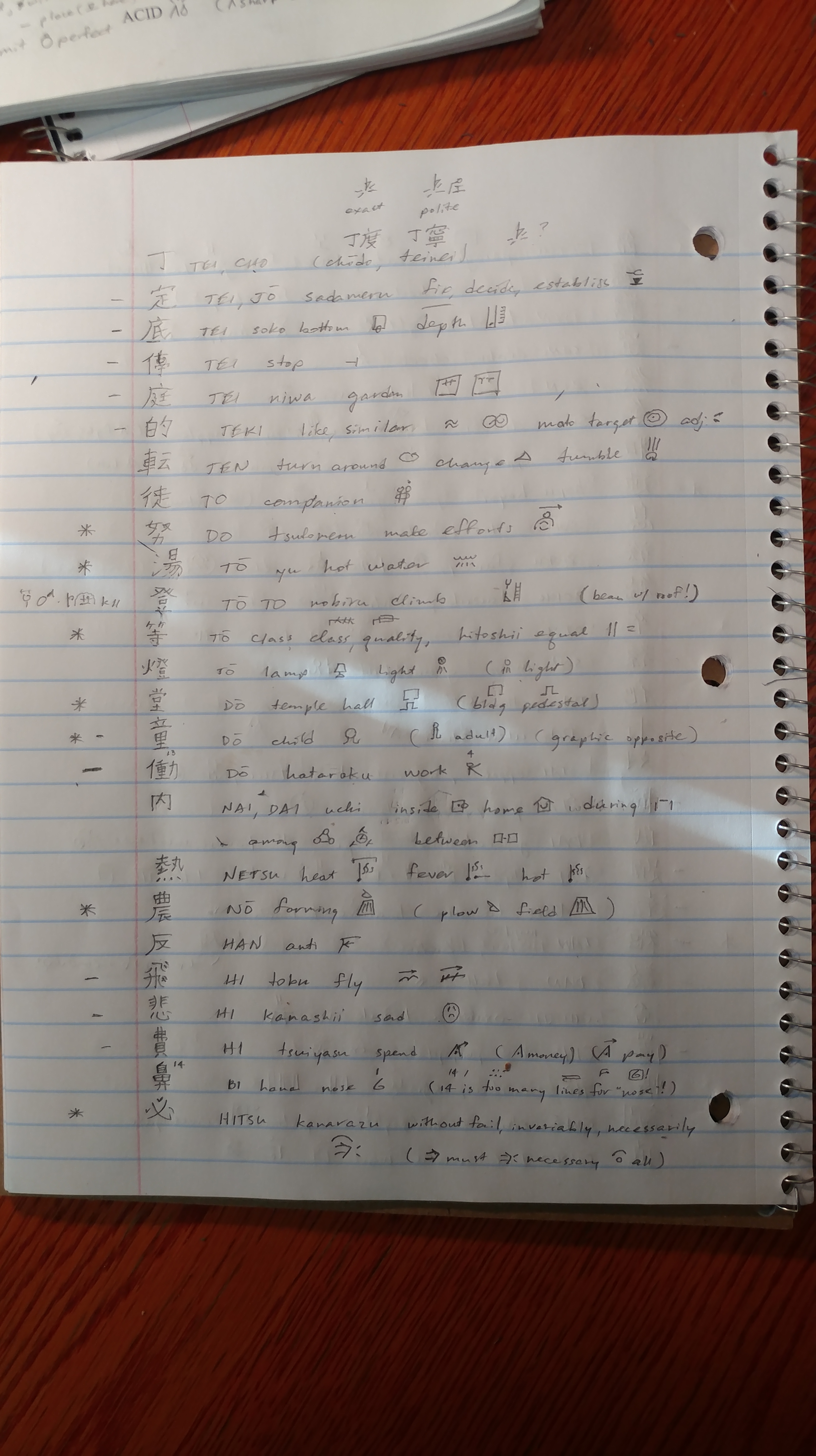
 | ErnieM on gewoehnlich, offensichtlich, W… |
 | Gerard Walker on gewoehnlich, offensichtlich, W… |
| ErnieM on Think-sudden-connect. Everythi… |
| ErnieM on Think-sudden-connect. Everythi… |
 | Livy on Think-sudden-connect. Everythi… |
Ideograms for English. Creatively making English graphic.

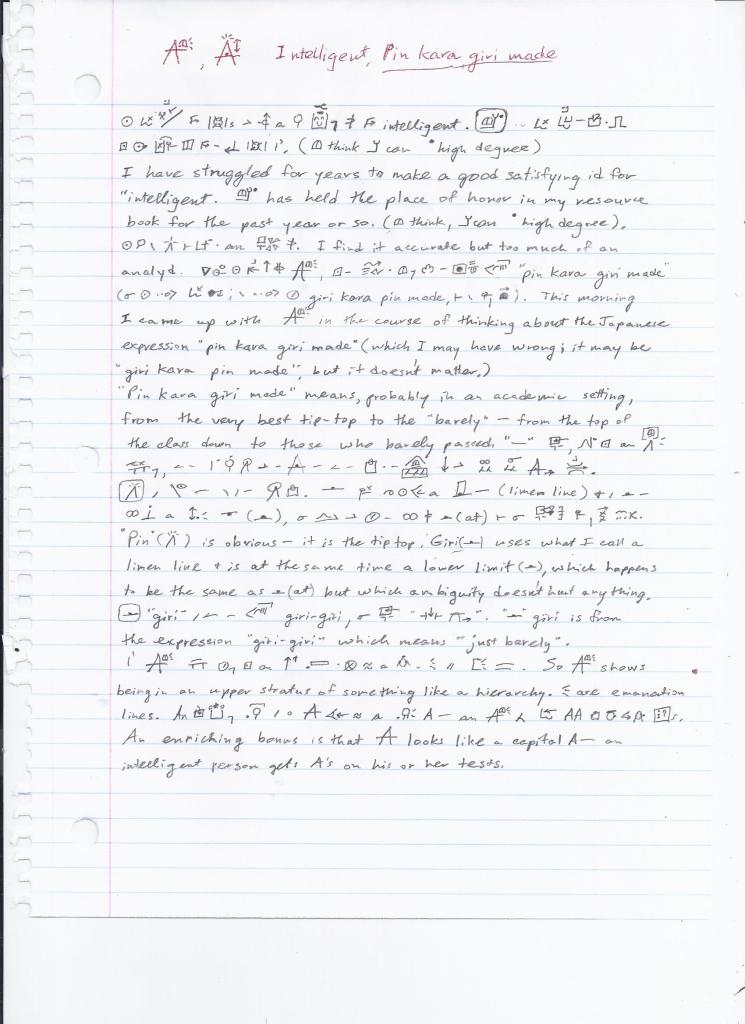

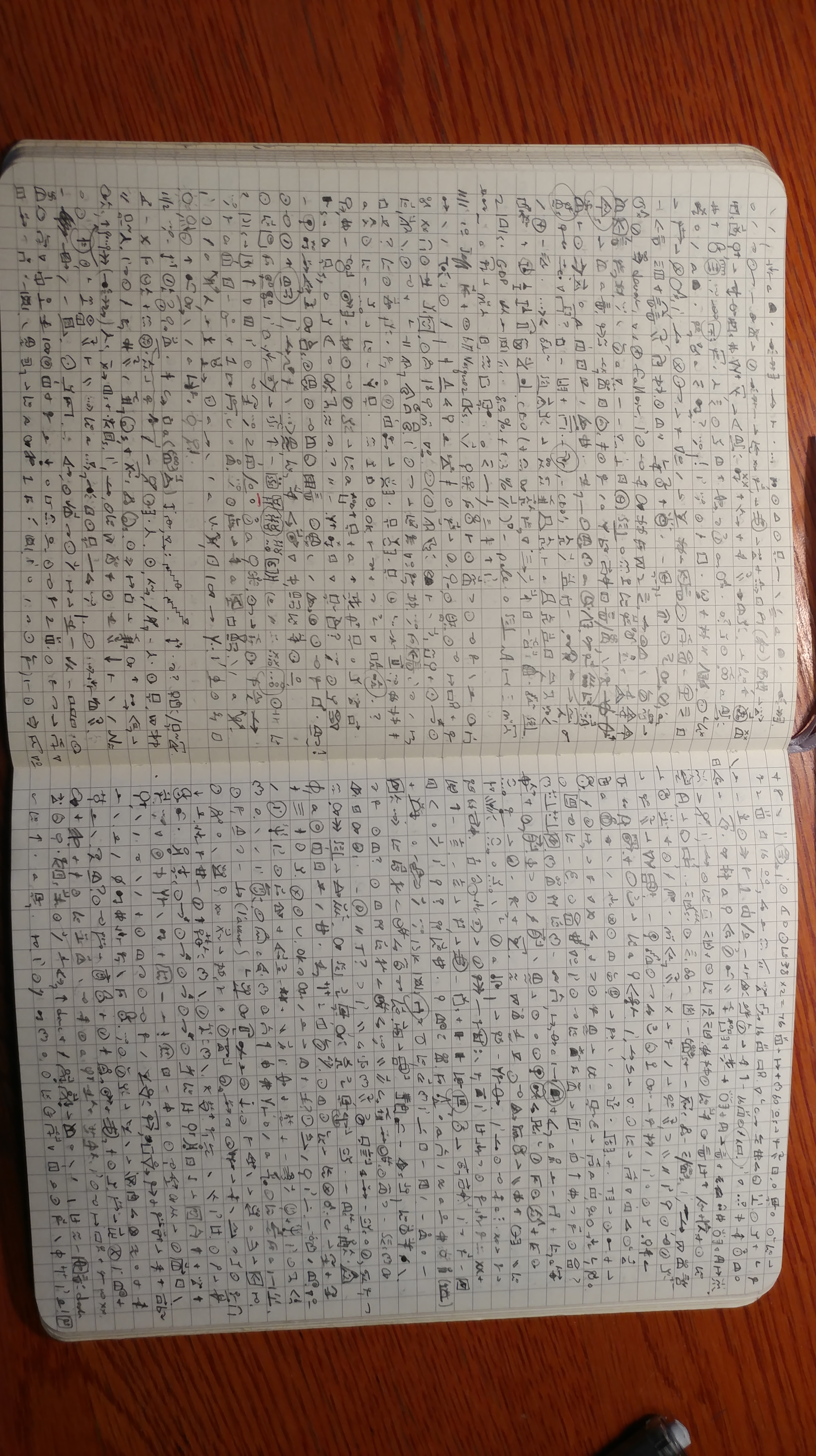




 Neo Ideograms