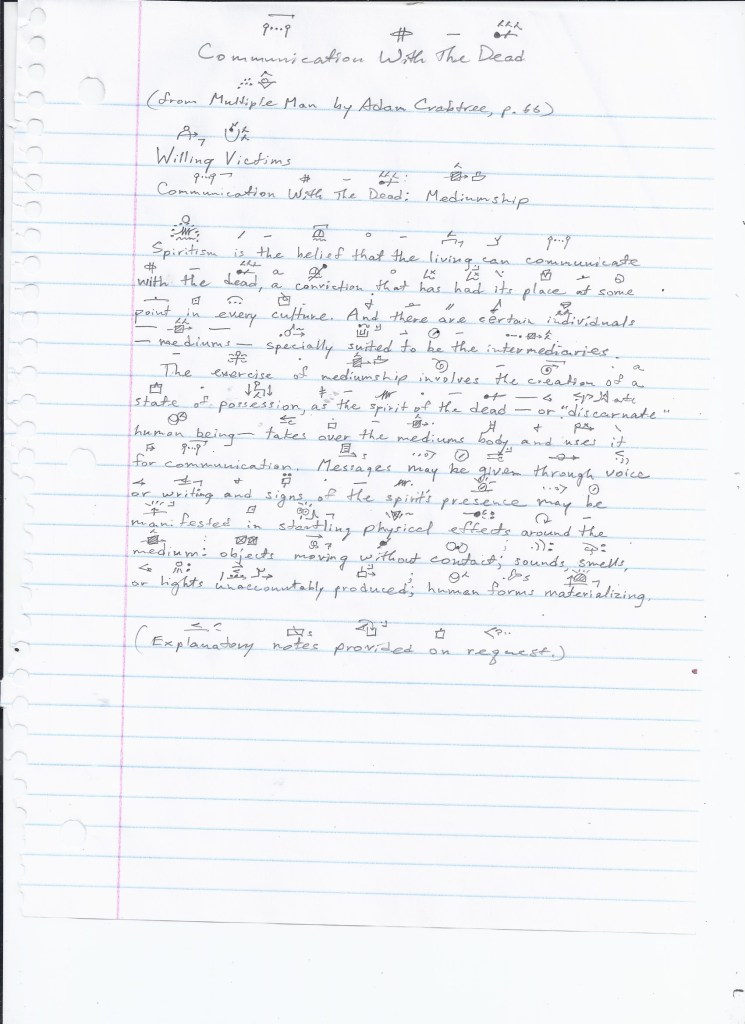
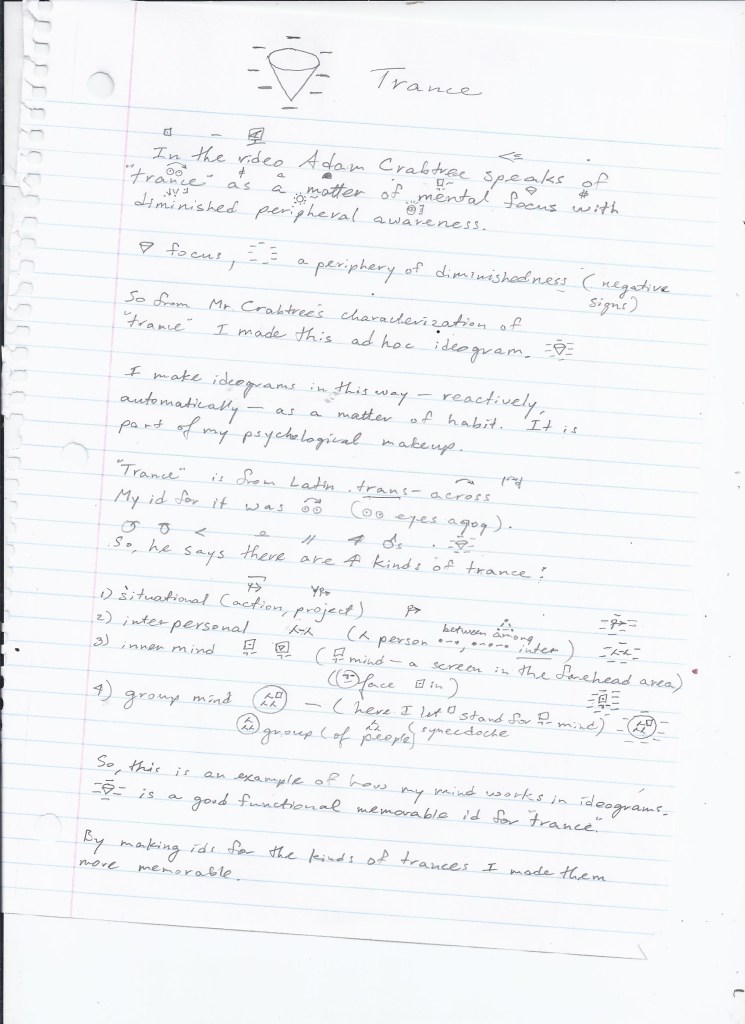
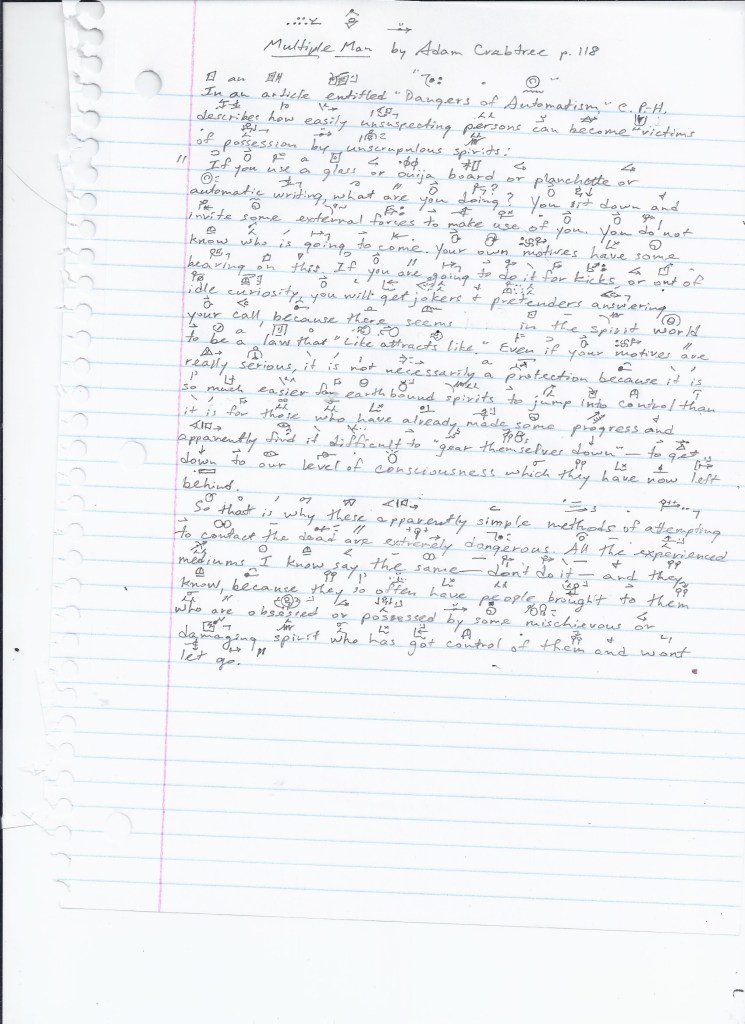
In this video interview, Adam Crabtree talks about “trance” as a matter of mental focus with diminished peripheral awareness. Just after minute 6 he talks about 4 kinds of trance. https://www.youtube.com/watch?v=w7k0vxdYiAs

With increased skill, creativity and productivity intensify.

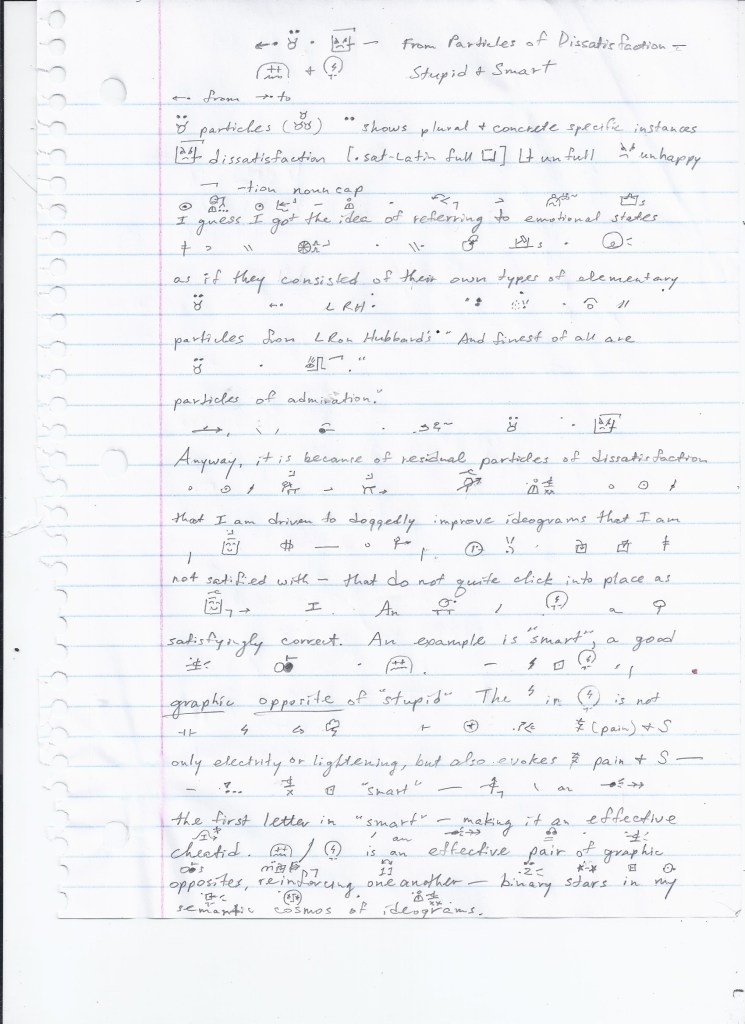
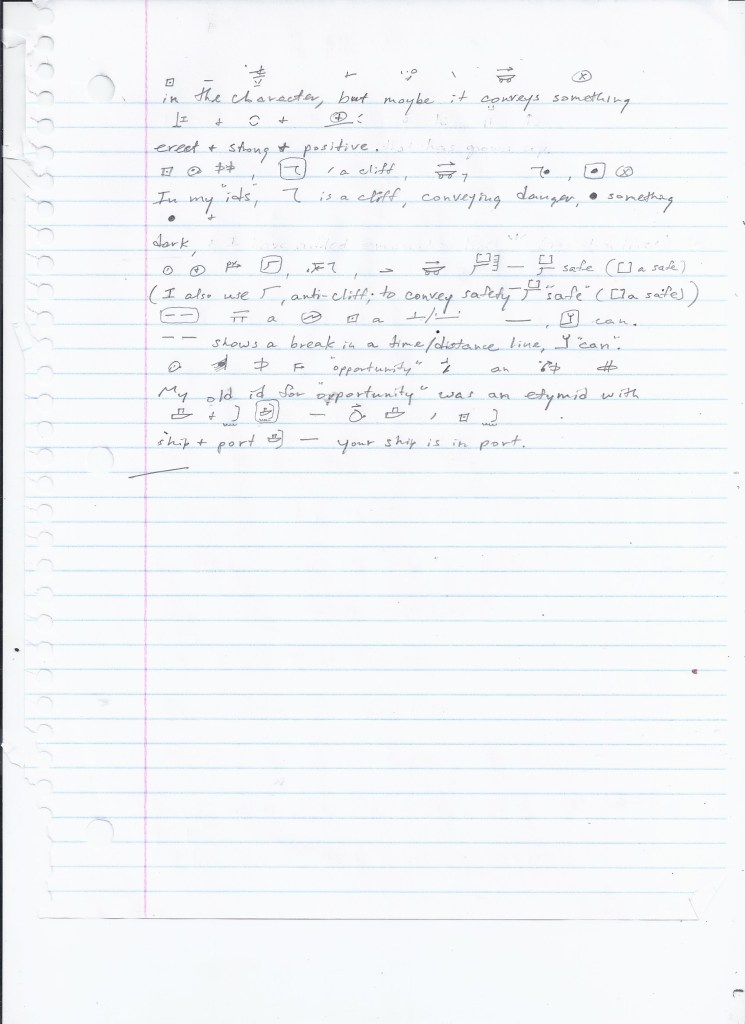
This is a key concept for me, so it is a substantial step forward to have it thus graphicized.

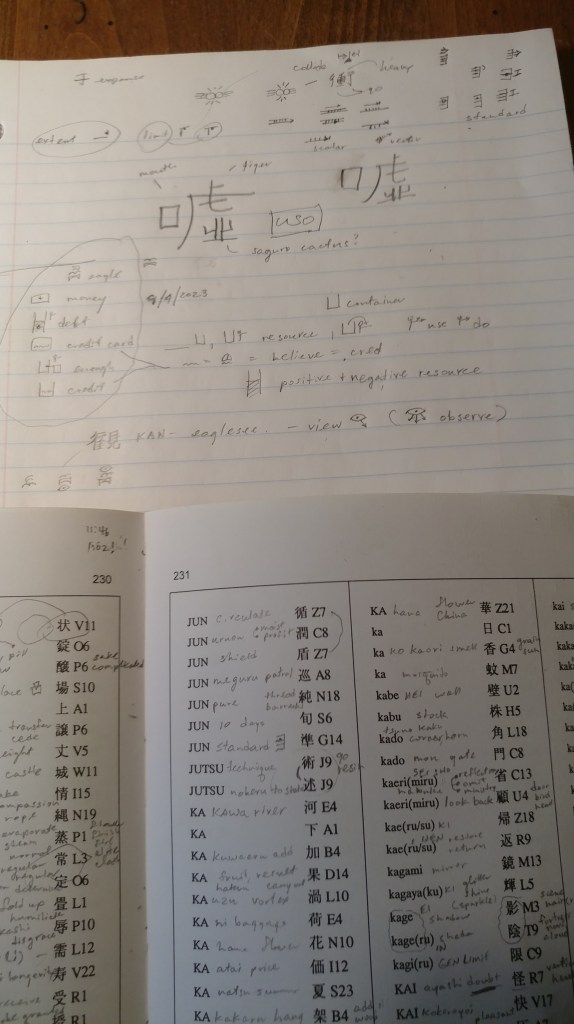
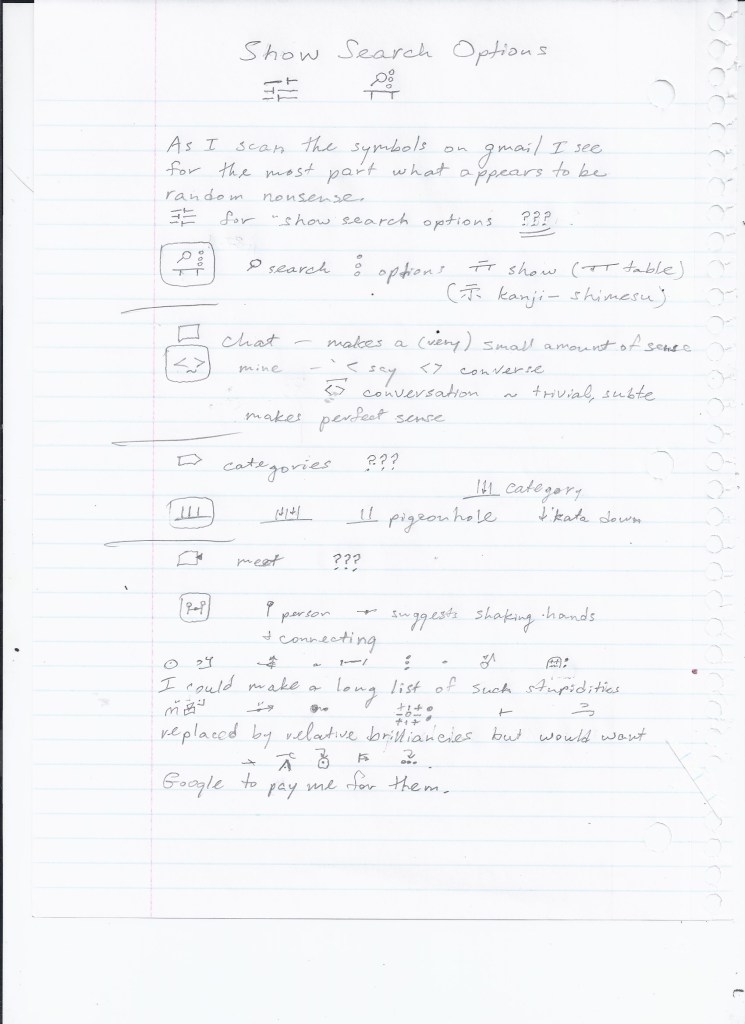
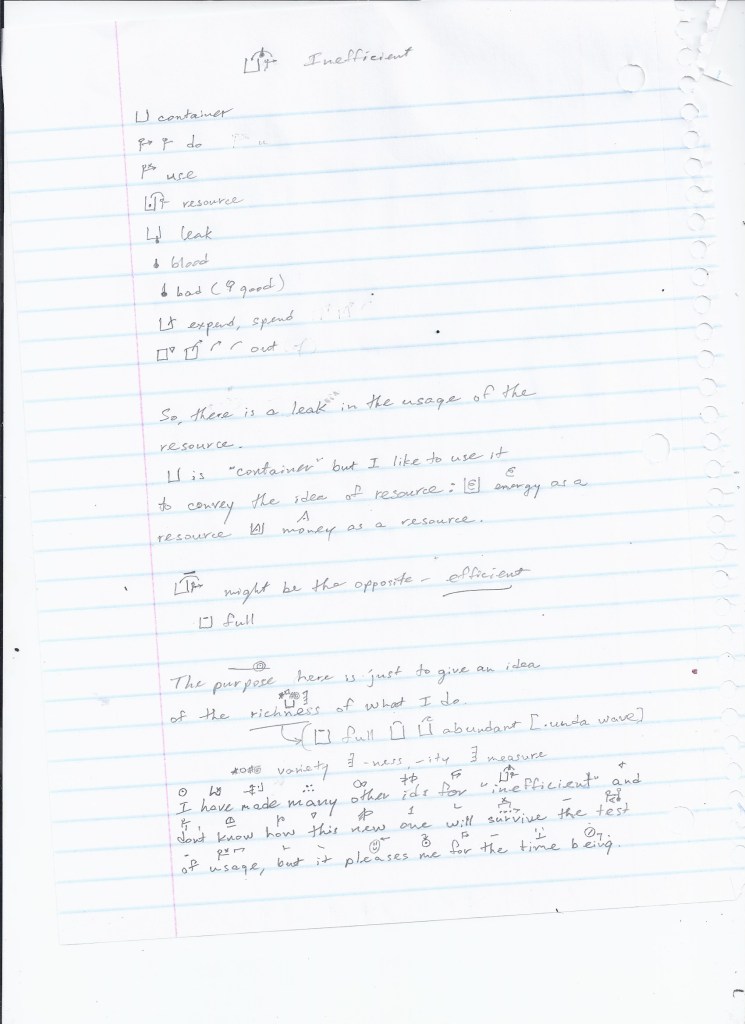
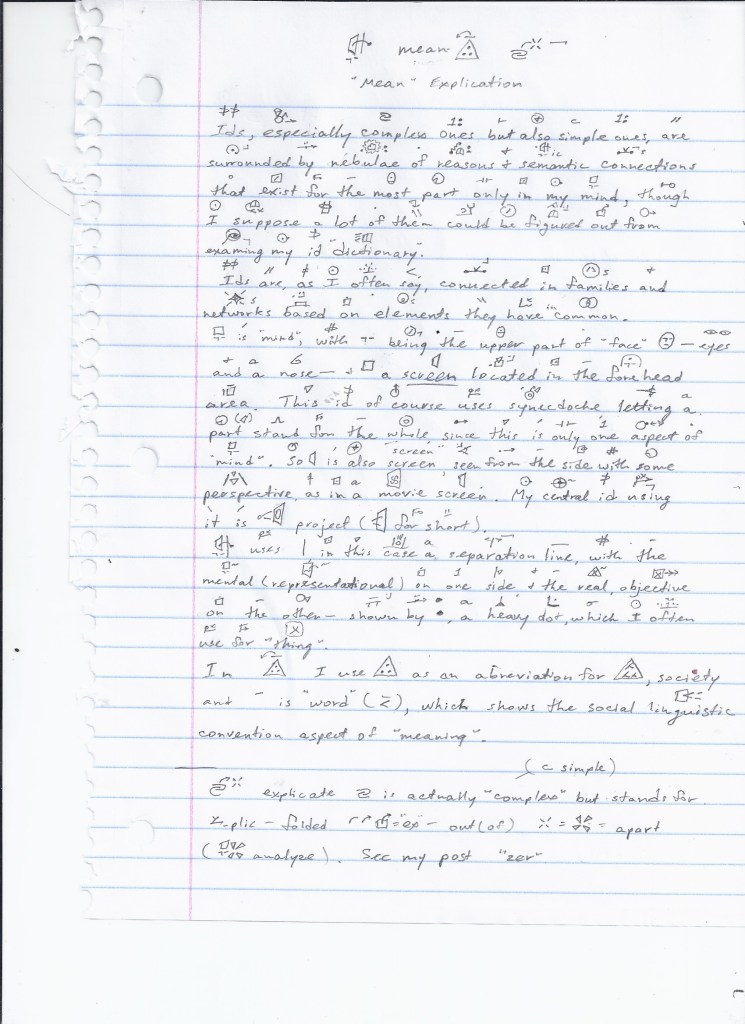
2 new ids for “mean” that I thought up this morning.

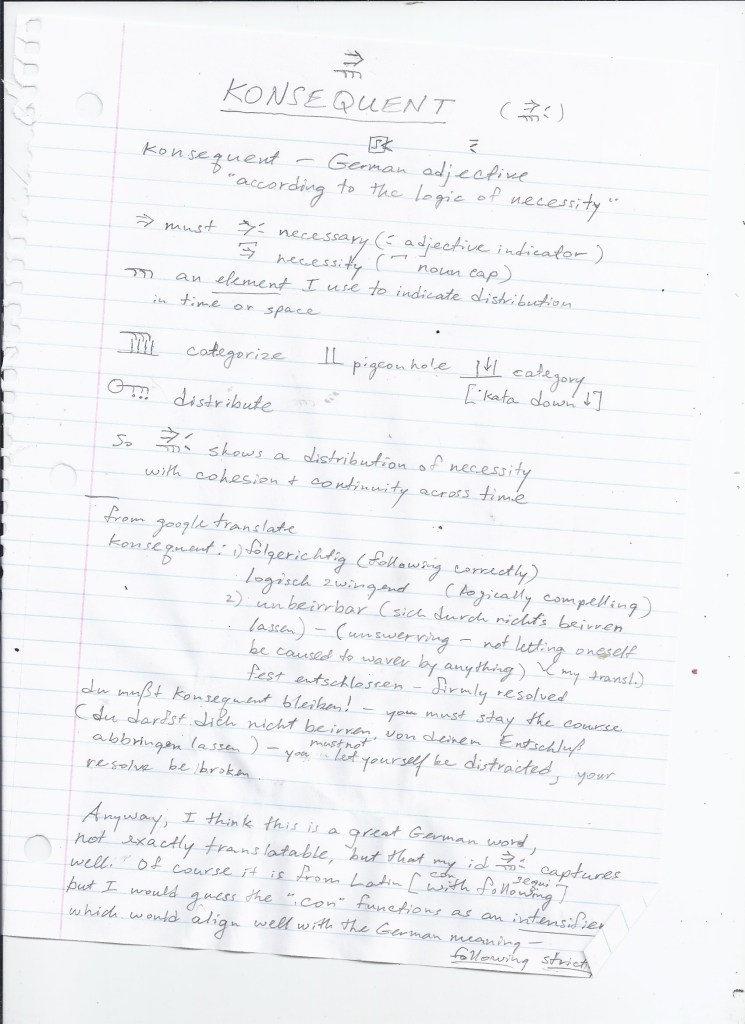
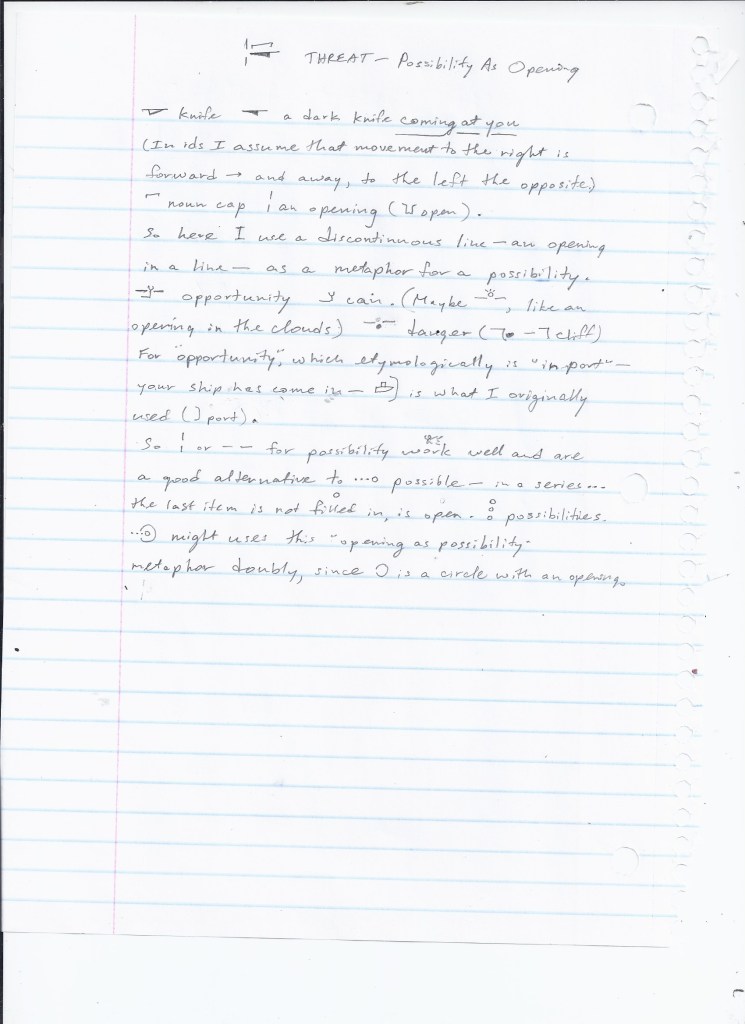
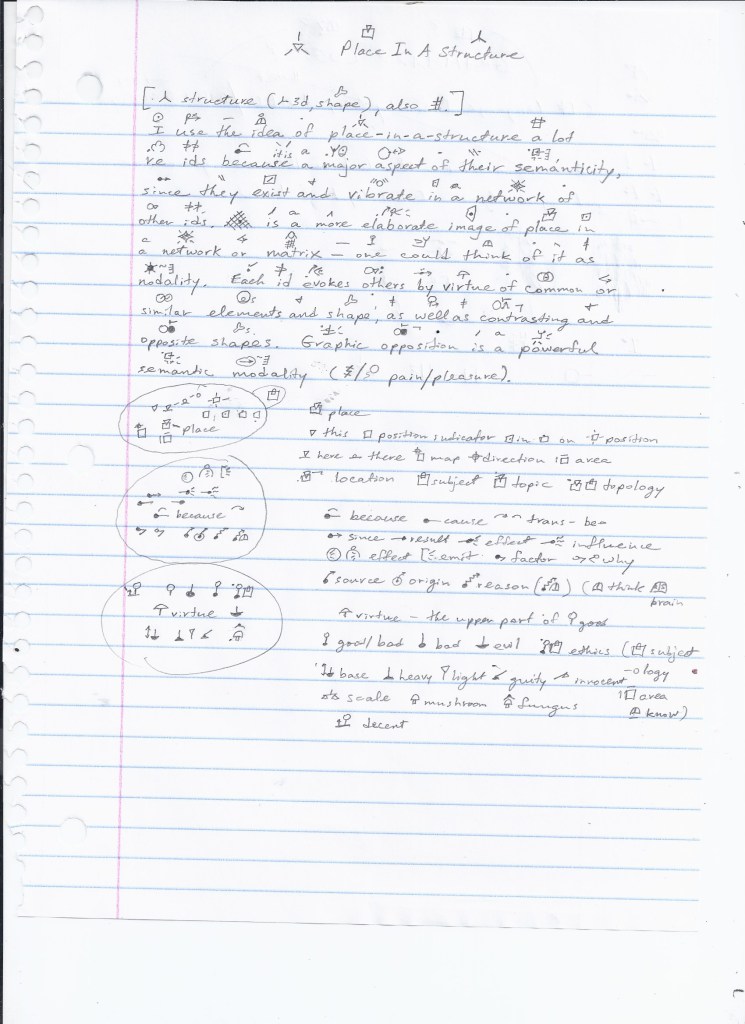
Someone asked me once if ids are hard to remember. On the one hand, no: they kind of remember themselves because images stick in the mind so well. I’ll often be surprised that one for a seldom used word pops into my mind correctly after many years of not using it and probably having spent only a trivial amount of time creating it. Also, they make great sense and come in families of related ids, so they reinforce one another. On the other hand, as the creator of these, I might have created 20 versions of the id for a particular concept in my struggle to come up with something that feels just right – that clicks — so when writing it I might have to think, “let’s see, what was my latest version of that?” And there may be a conflict of my latest improved version with a version that is ingrained in my memory from long term use, in which case I will think (and feel), “I know I came up with something new for that.”

Consolidated richness of mind, with multiple firework homeruns — smacking it out of the park — of creativity. This is simply how I experience it.

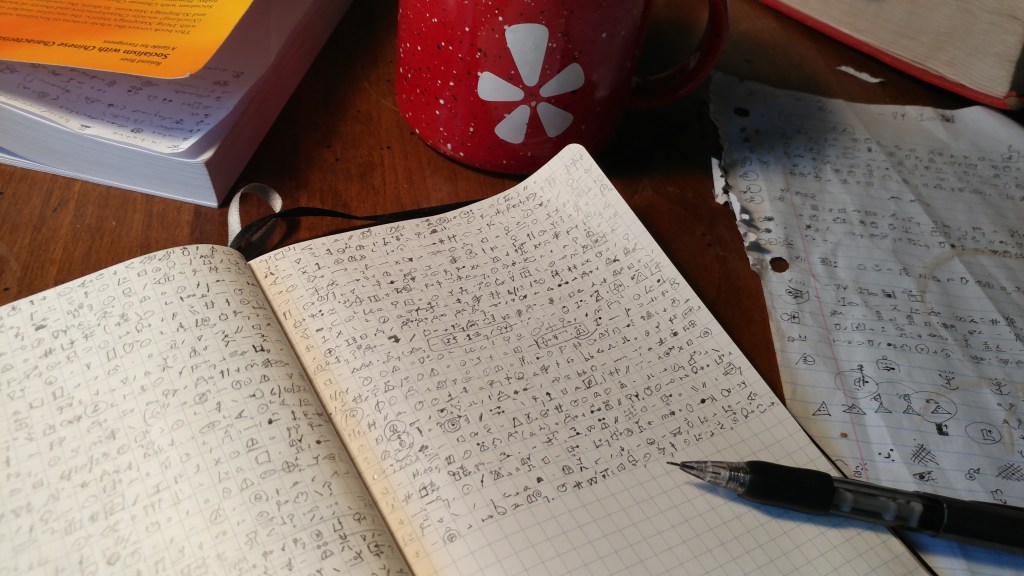
So here is my usual daily intensive id session in my id diary. It takes me about an hour and I produced about 15 good id improvements and new id s. I am committed to open-ended improvement — there are no final solutions. Some of the ids are transcendent — not merely representations of the as-is English concept but a significant extension and improvement (sharpening) of the concept — taking it to a higher level. Ids are visual (graphic) concepts. With ids I enrich my subconscious (and conscious!) image vocabulary.